Revolution Brewing Shakes Up the Midwest Craft Lager Category With The Cold Time Mix Pack
Revolution Brewing is releasing the Cold Time Mix Pack, evolving the brand family of Cold Time Premium Lager with new premium lager styles: Cold Time Amber, Cold Time Dry, and Cold Time Extra.
Read More-

04.29.26
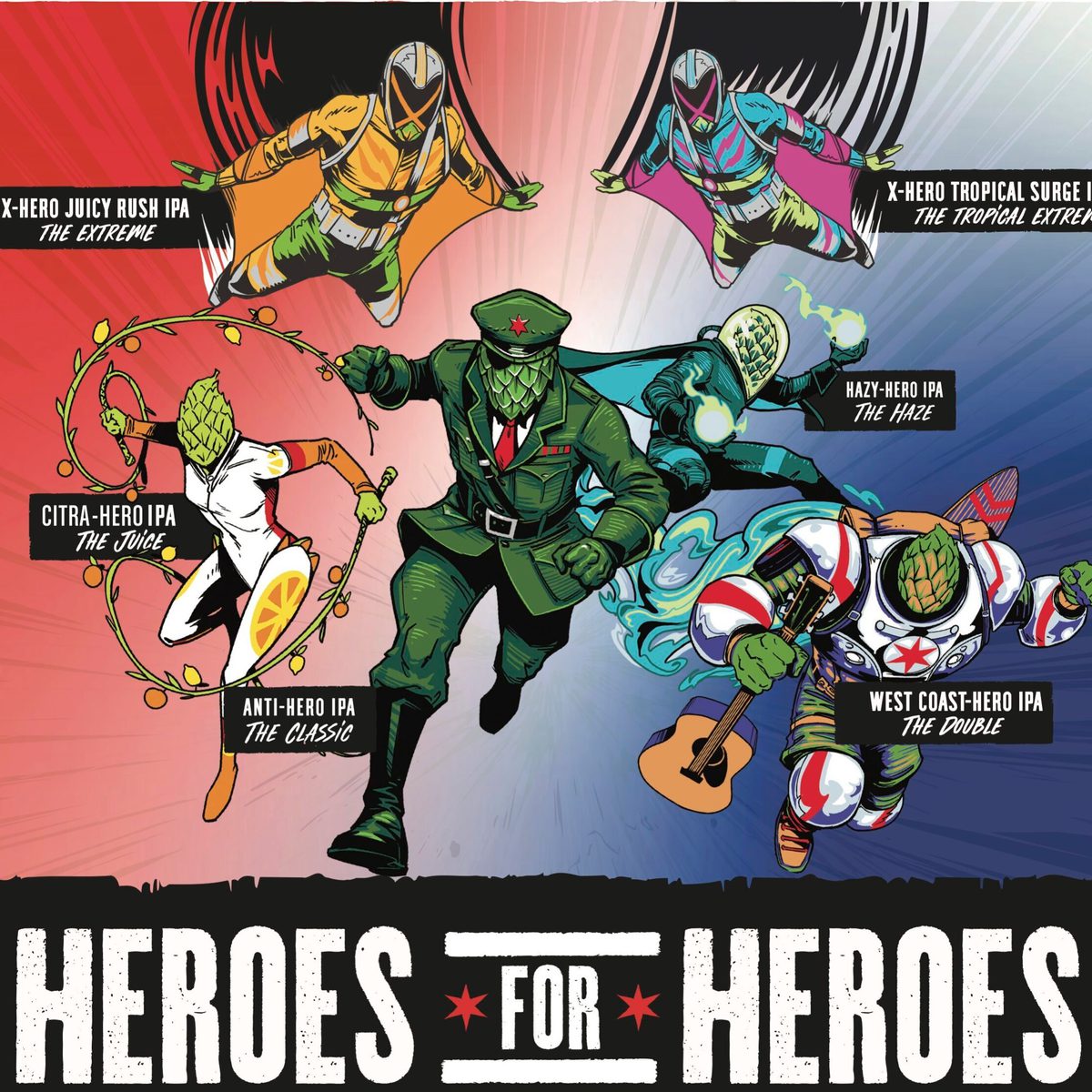
Heroes for Heroes this May
This May, every Hero IPA you raise will benefit two great organizations in the Midwest: Friends of Fisher House Illinois and Indy Local 416 Peer Support Foundation. Read More »
-
04.14.26
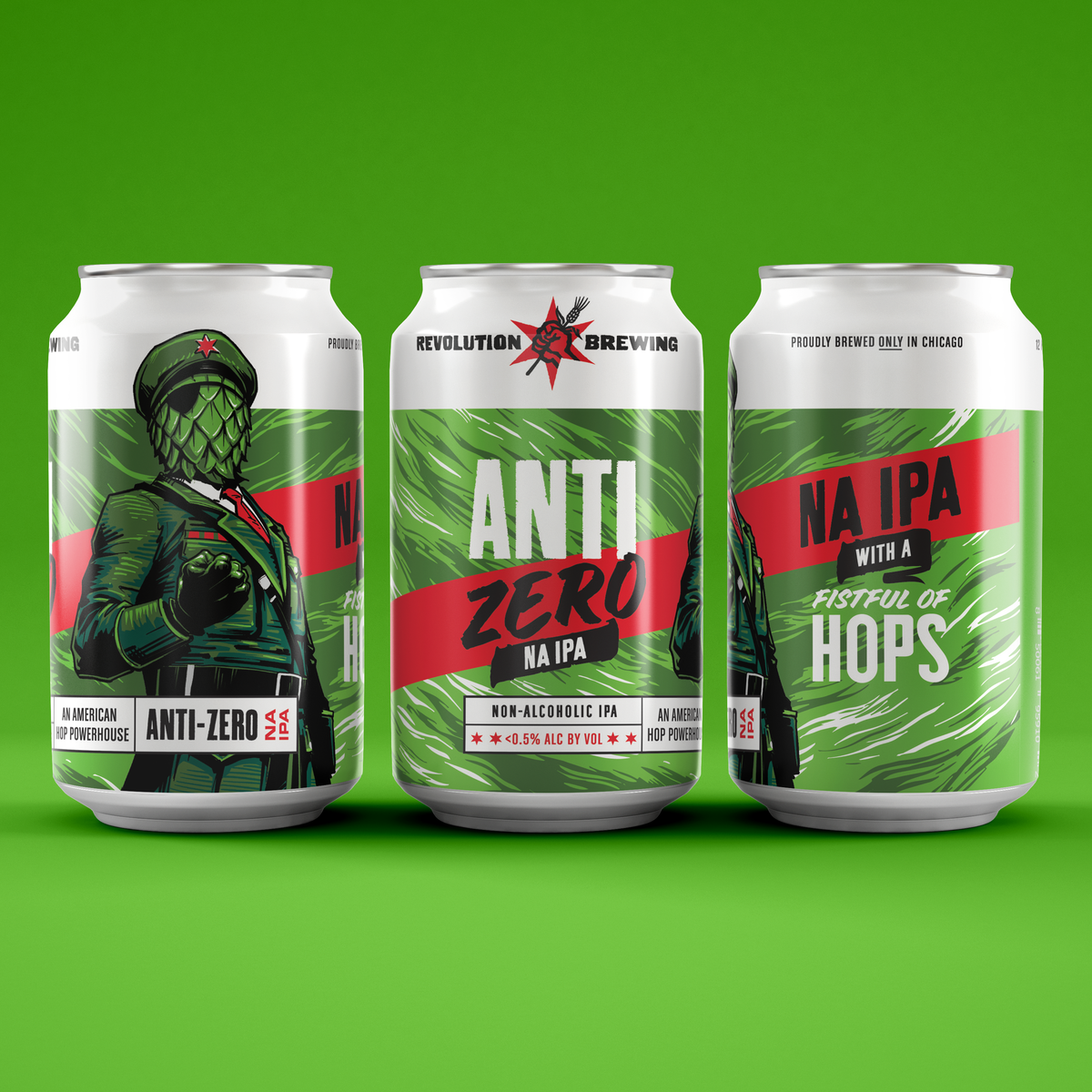
Anti-Zero NA IPA Brings A Fistful of Hops to the Non-Alc Space
Revolution Brewing, Illinois' largest independently owned brewery, is launching Anti-Zero NA IPA, the non-alcoholic counterpart to its flagship beer, Anti-Hero IPA. Read More »
-
02.26.26
Introducing Our 2026 Small Batch Lineup
This year - our 16th! - we are celebrating some of our favorite small batch brews from over the years including some Rev classics we released in the early days. Read More »
-
02.04.26
C2E2 2026 Pop-Up Parties
We're are thrilled to be sponsoring C2E2 again, and are bringing back our C2E2 Pop-Up Parties in the Revolution Brewing Taproom! Join us for a chance to win C2E2 passes, Rev swag, and more! Read More »
-
01.28.26
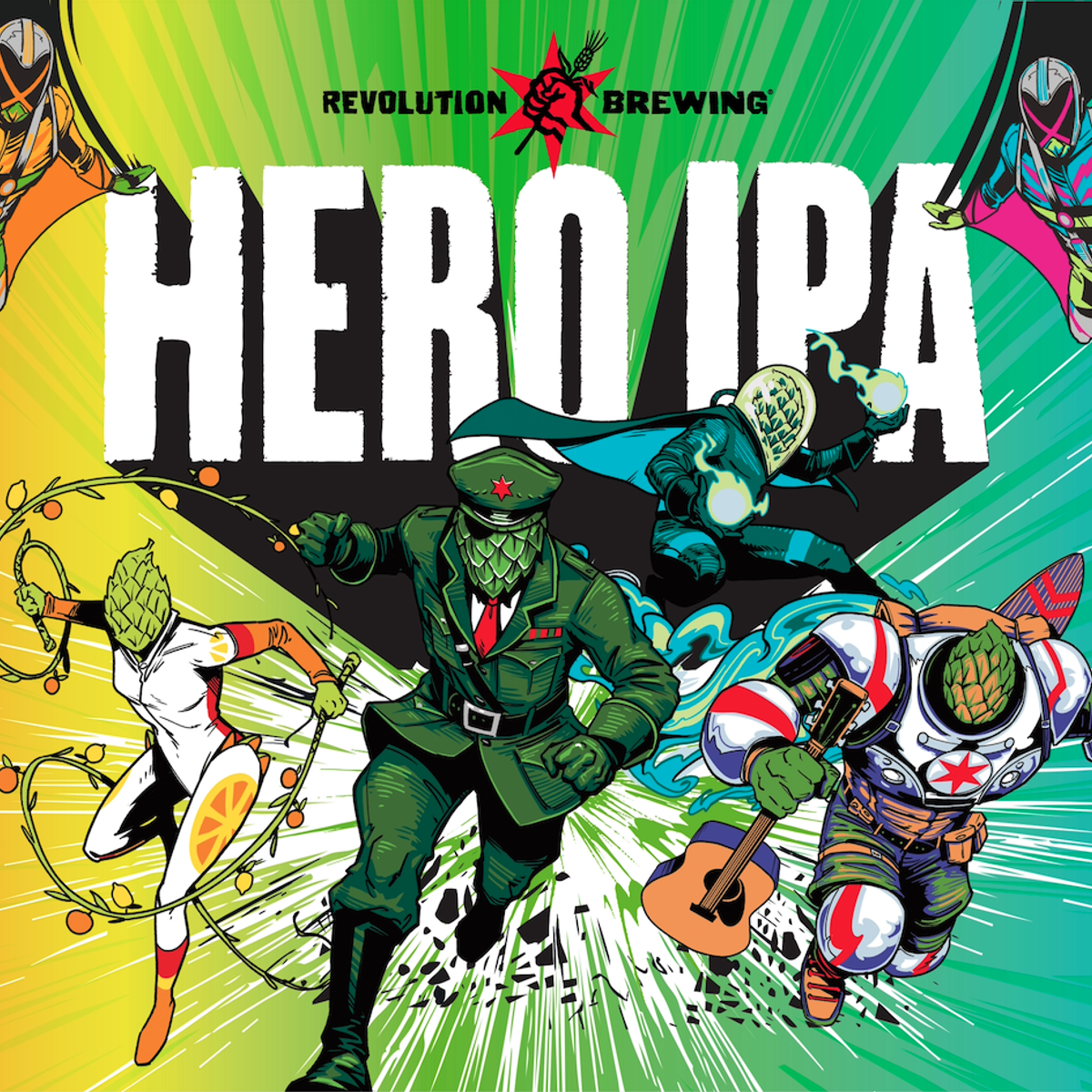
Introducing the New Hero IPA Variety Pack
Our Hero IPAs have taken many forms throughout the years. Styles shift. Looks evolve. Still, our hoppy Heroes endure. 🦸♂️ Read More »
-
12.02.25
Chicago Hemp Beverage Industry Urges City Council to Reject Proposed City-Wide Ban – Calls for Regulation, Not Prohibition
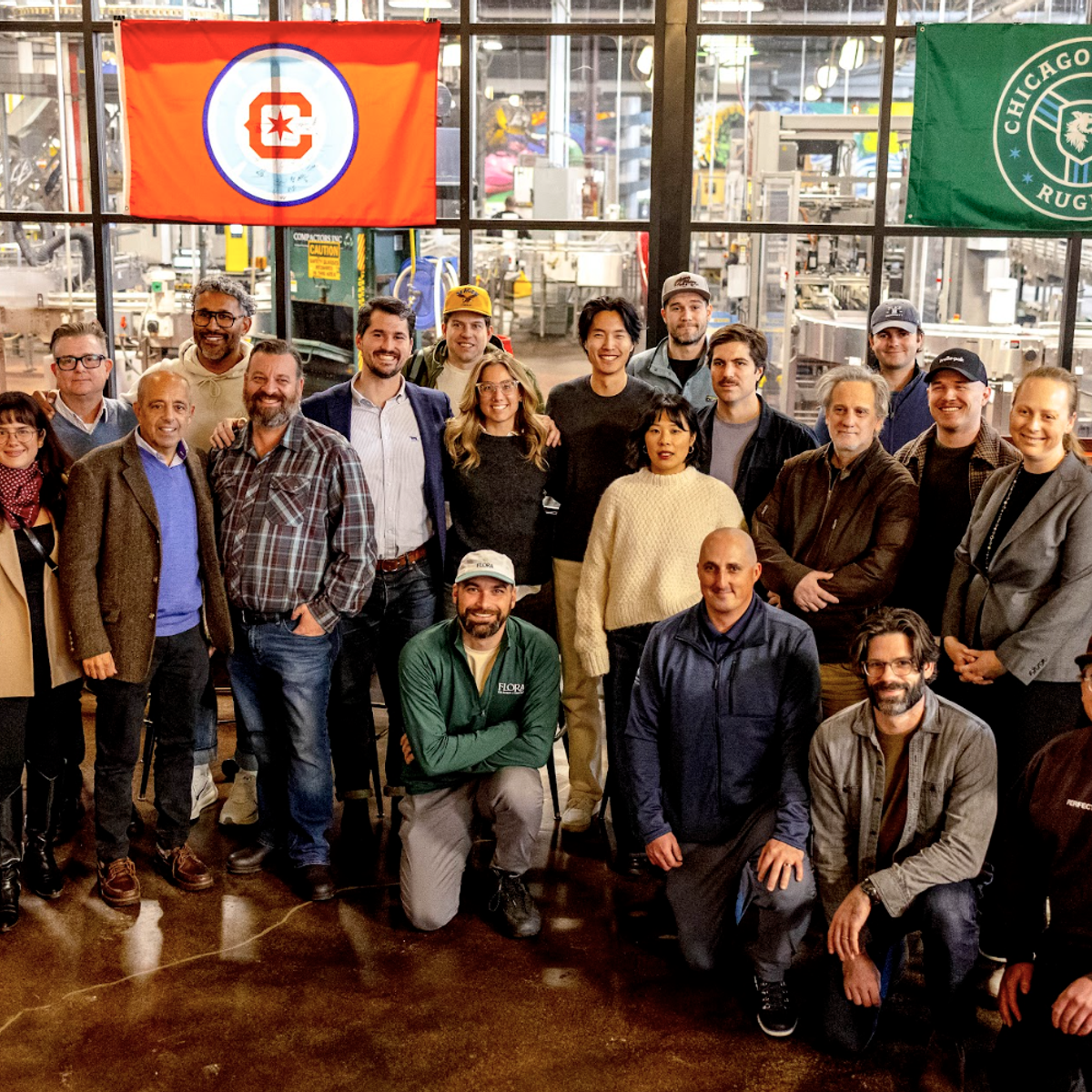
More than 100 hemp & beverage industry leaders gathered virtually and in-person at Revolution Brewing to speak out against a proposed ban of hemp-derived beverages & CBD products in Chicago stores. Read More »
-
11.07.25
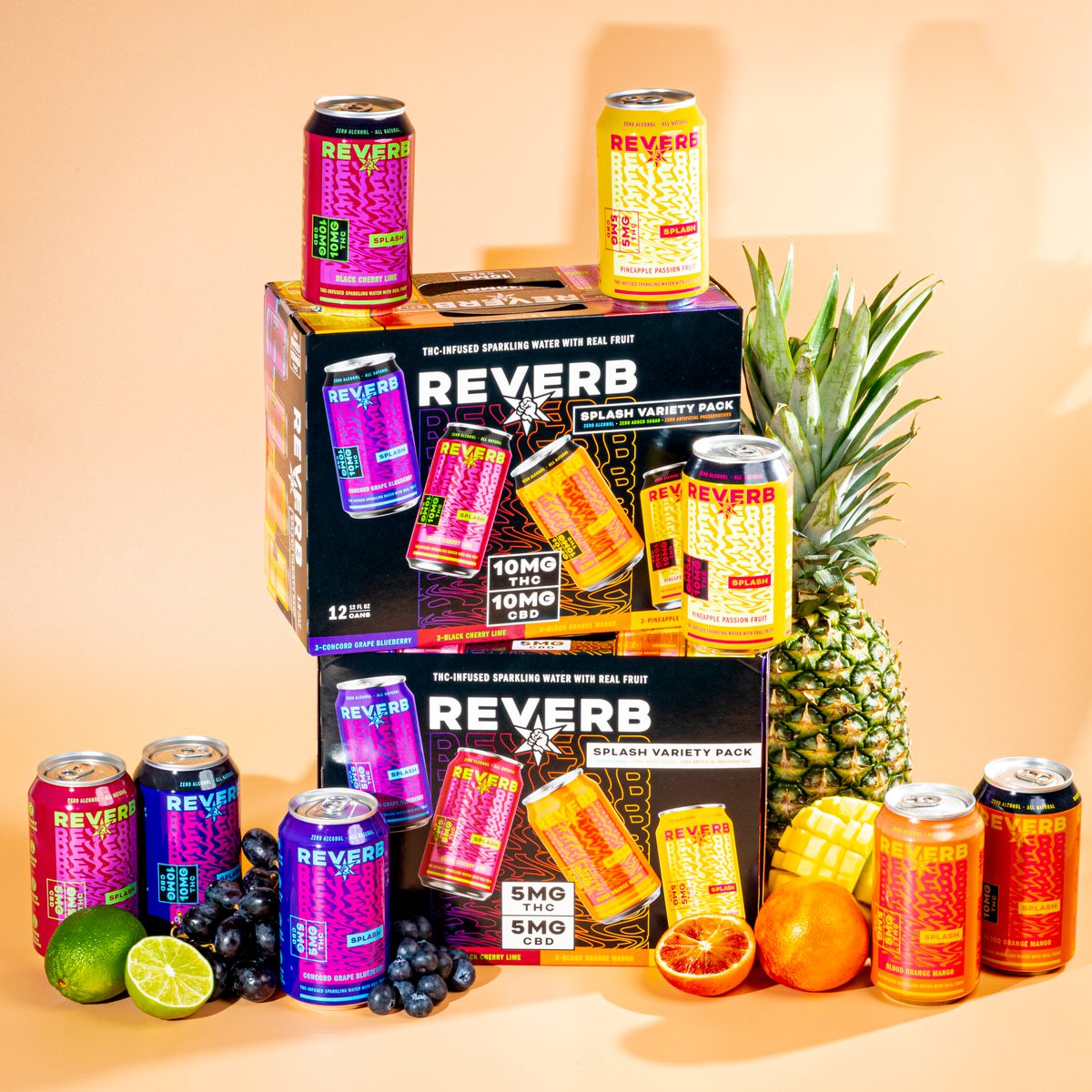
Reverb Splash Gets Two New Flavors and Variety Packs
Reverb THC-infused beverages adds Blood Orange Mango and Pineapple Passion Fruit to the new Reverb Splash Variety Packs available in 5mg and 10mg. Read More »
-
10.30.25
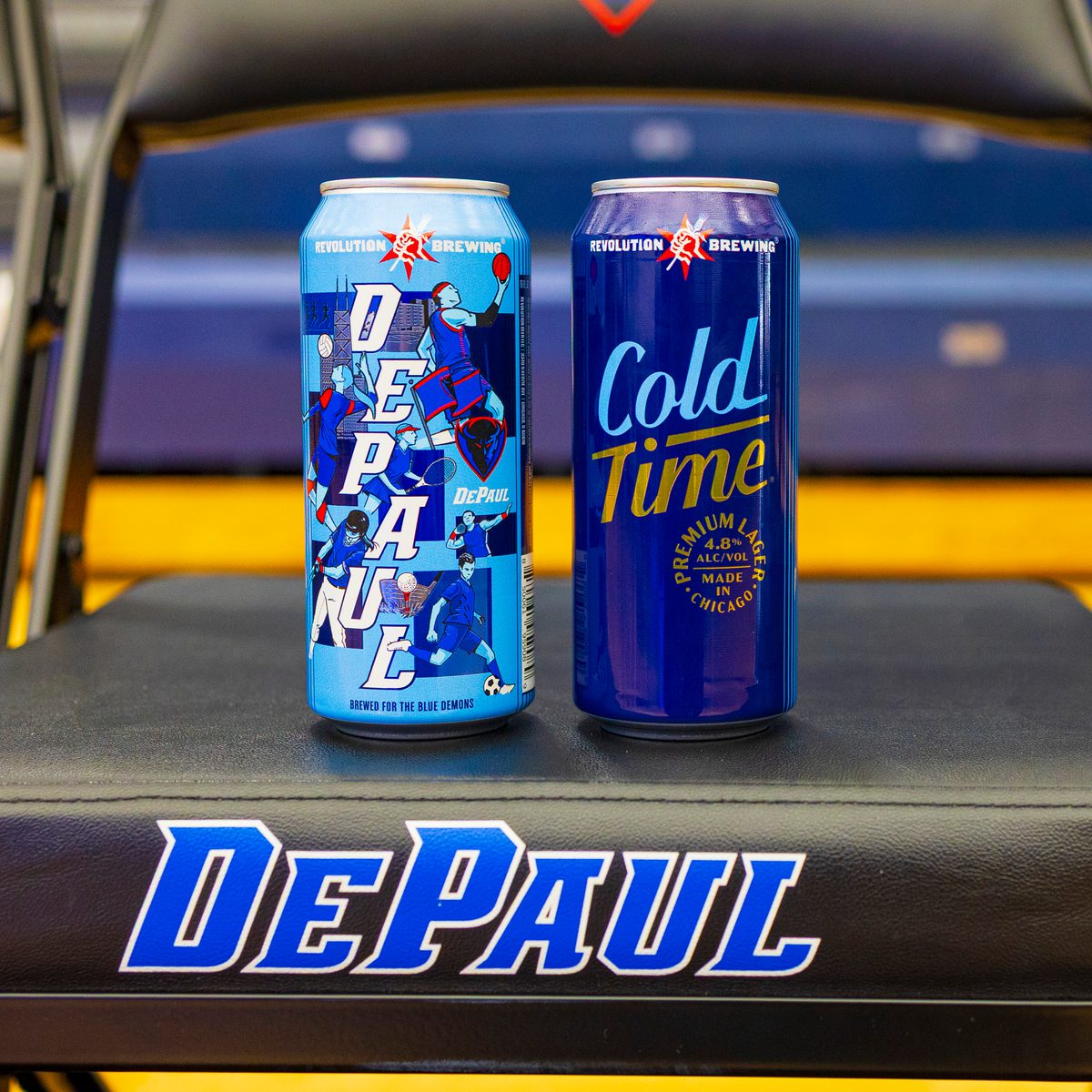
Revolution Brewing Releases DePaul Athletics Co-Branded Cold Time Premium Lager Can
Just in time for the 2025-26 men’s and women’s basketball seasons, DePaul Athletics and Revolution Brewing have announced a new, co-branded 16-ounce can of Cold Time Premium Lager. Read More »
-
10.08.25
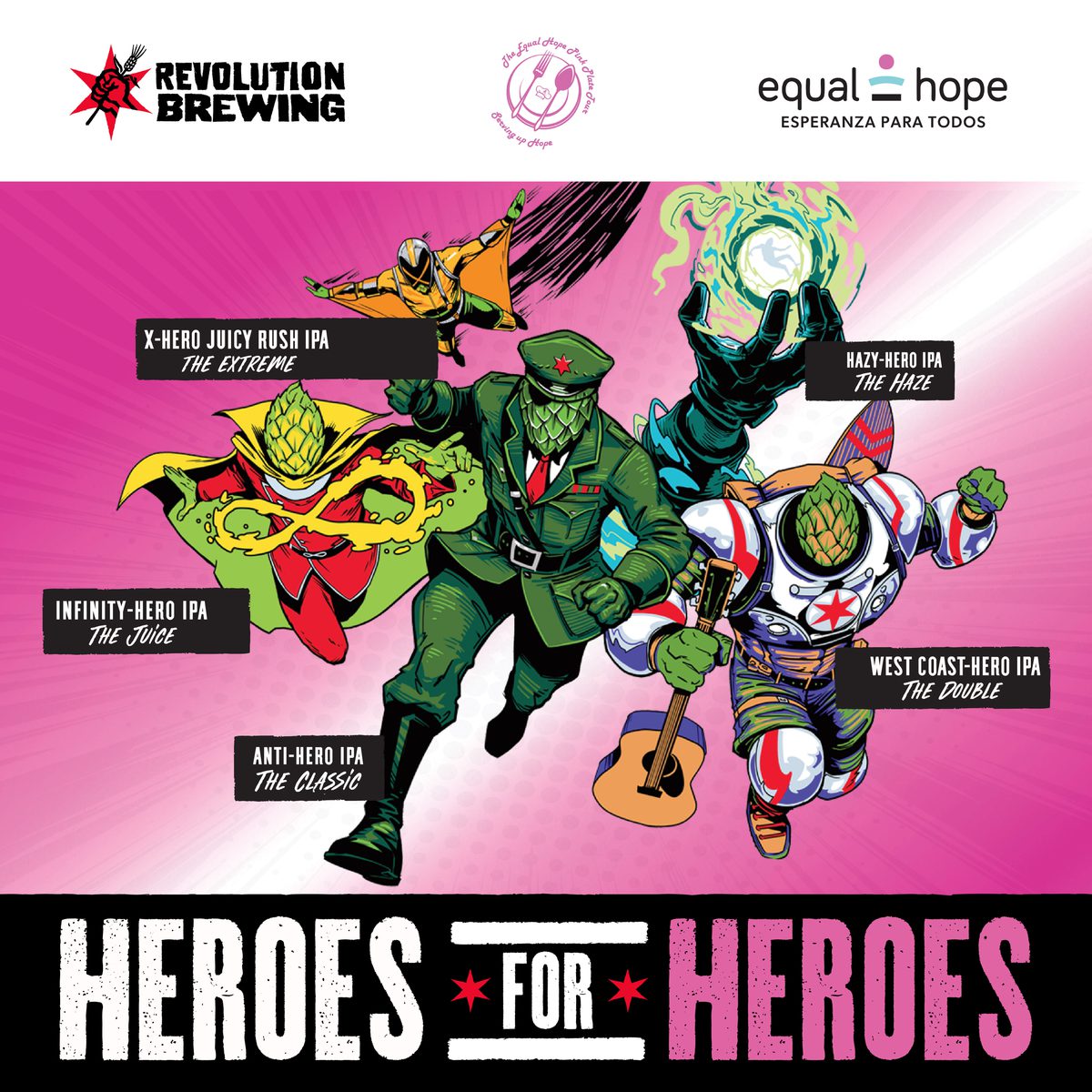
Heroes for Heroes this October
Have a Hero and support breast cancer heroes! Read More »
-
06.17.25
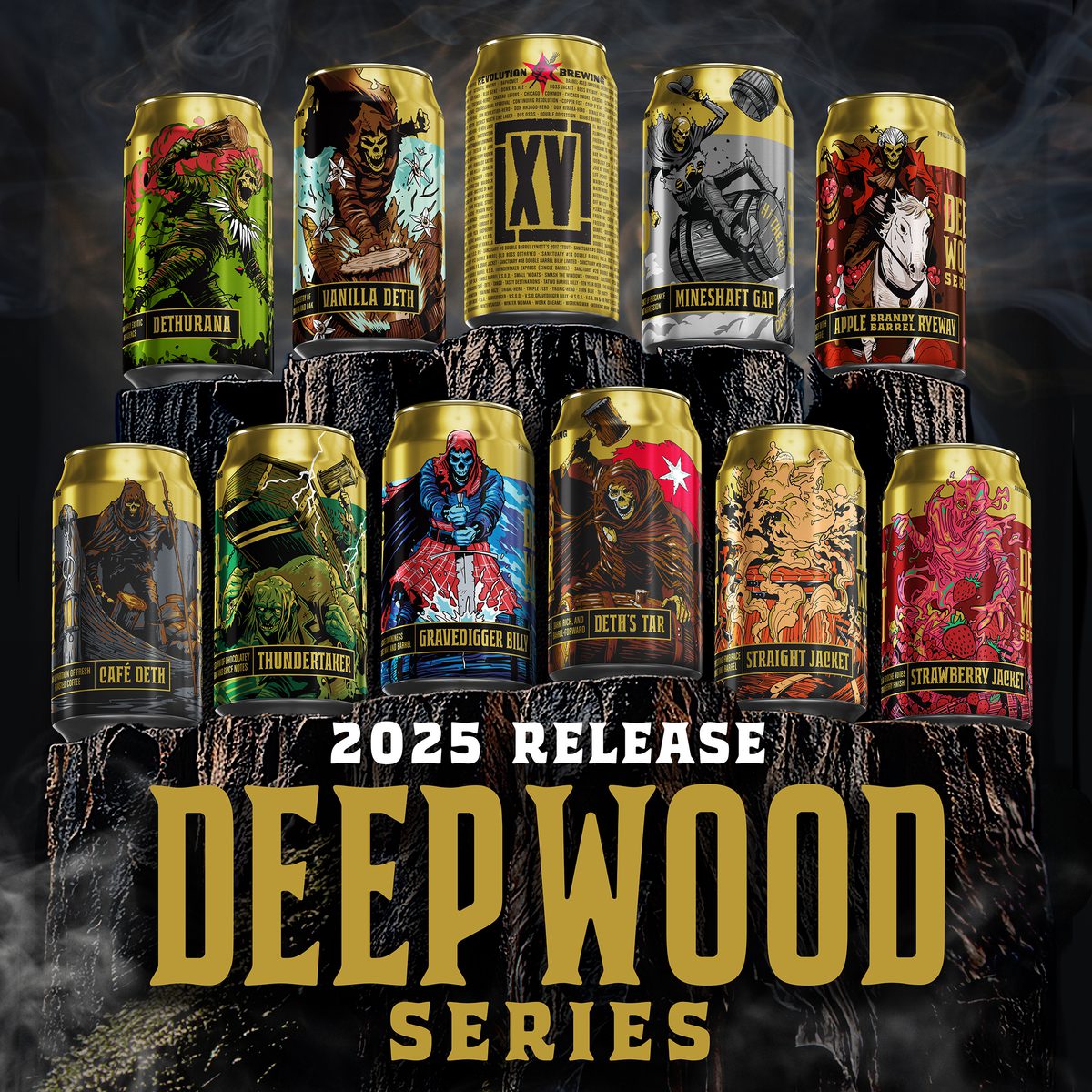
The Deep Wood 2025–26 Lineup: Fifteen Years in the Making
Say hello to the 2025-26 Deep Wood Line featuring Fifteen Year Beer, Mineshaft Gap, and Dethurana. Read More »